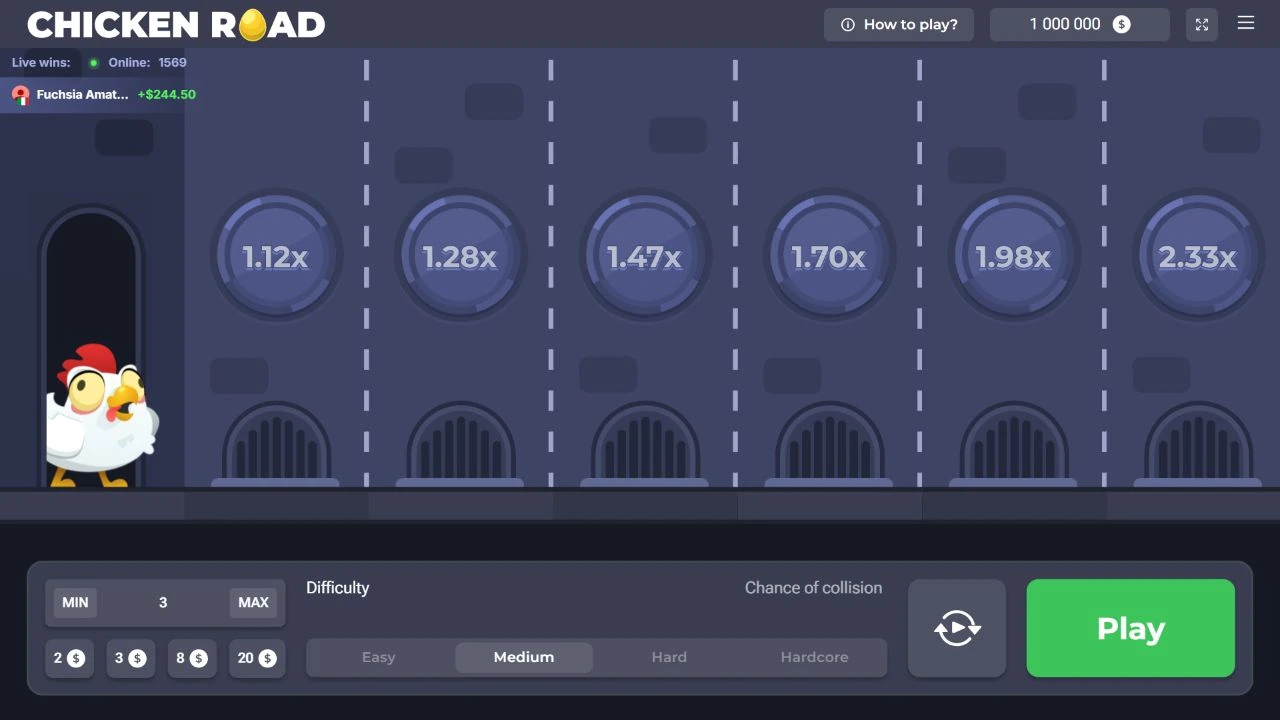
Before downloading a Chicken Road app or trusting an earnings claim, check who made it and who is supposed to pay you. A store app, a browser game and a casino account can have different developers and payment terms, even when they use the same name.
InOut has separate pages for the original Chicken Road and Chicken Road 2.0. Compare a listing with those pages to help identify it. A familiar title alone doesn’t establish an InOut connection or prove that a service pays withdrawals.
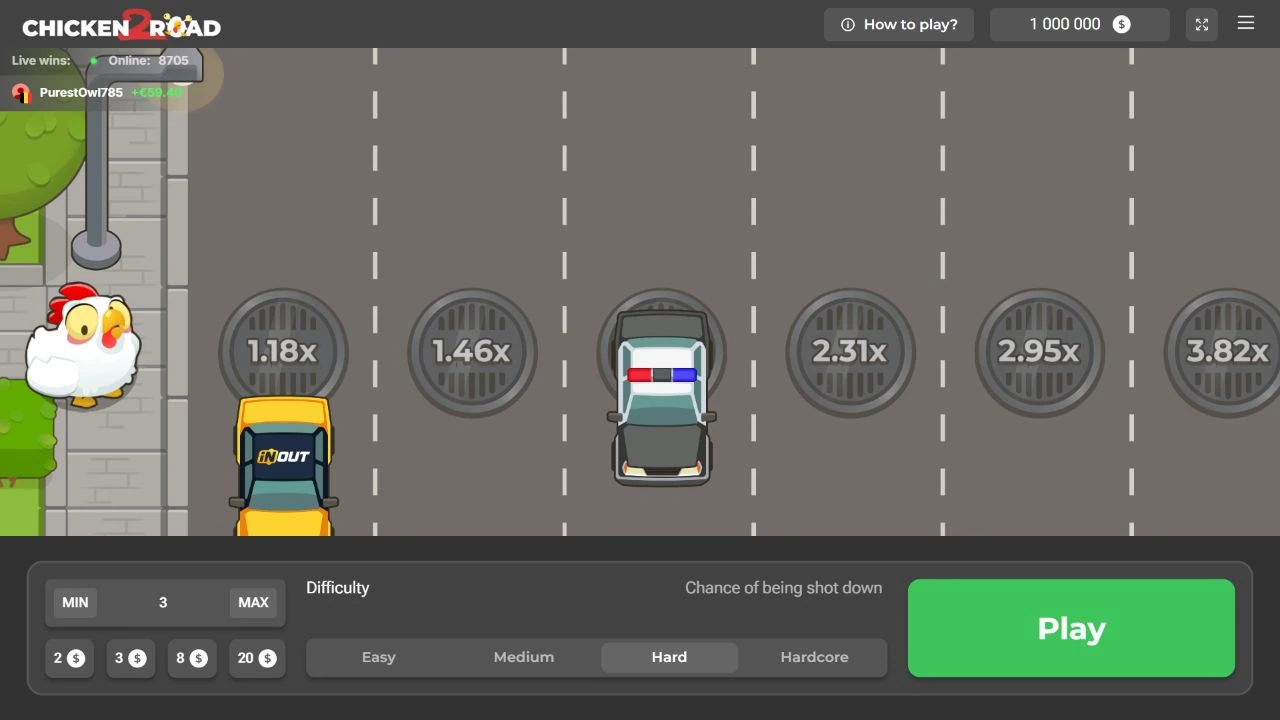
If you’re looking for the browser games, start with The original Chicken Road by InOut or Chicken Road 2.0 by InOut.
What two store listings actually identify
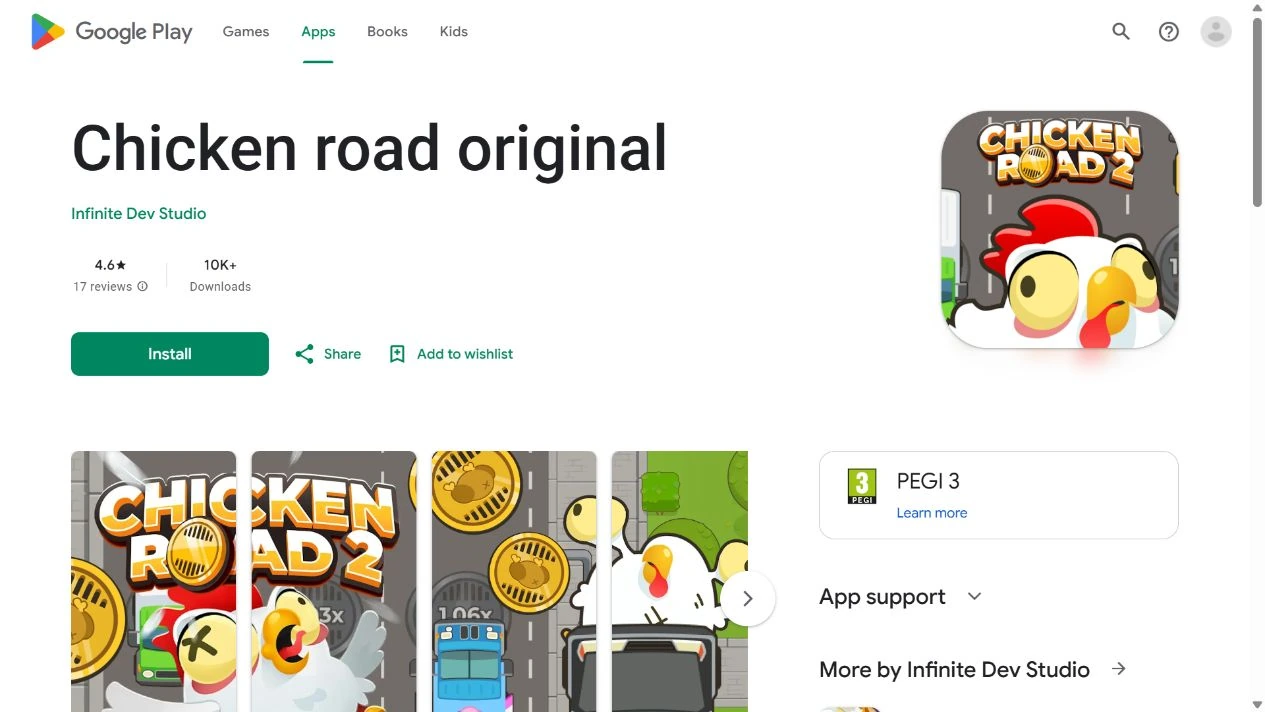
Here are two examples of similar names attached to different developers. Both listings were reread on 16 October 2026. The apps weren’t installed, so these are comparisons of store information, not recommendations or a ranking.
| Listing and source | Listed developer | Identifier in its Google Play address | What to look for |
|---|---|---|---|
| Chicken road original | Infinite Dev Studio | com.upwestfarmdash.chickenrunsprint | The description combines “original”, sequel and official wording with an endless-runner description. That wording doesn’t establish an InOut connection. |
| Chicken Road | Zayd Group | com.stopnonteam.chickenmastercard | At the recorded check, the listing had a Simulated Gambling label. This describes its content; it doesn’t show that a cash-withdrawal feature has been tested. |
The package identifiers distinguish these listings even if their titles change or their images look alike. Remember that a store description is written by the publisher. It doesn’t tell us what an installed app has actually done.
Check an app without guessing its identity
- Copy the exact store address. On Google Play, the package identifier follows
id=. An Apple App Store address contains a numerical app ID. Use these to keep similar listings apart. - Read the developer’s name and the app description. Compare them with the provider’s own information. Treat “original” or “official” as a claim that needs support.
- Check the game and mode. An endless runner, a step-based gambling game, a slot and a virtual-credit demo need different rules.
- Find the payment promise. Who makes it? What unit does the balance use? What conditions must you meet? A game’s RTP can’t answer those questions.
Do the same checks for a downloadable APK. A filename or download button doesn’t prove that the file comes from the game provider. The sources here establish neither an official InOut APK download nor the absence of other official distribution channels.
If you found the game in an advertisement
Save the destination website and, if it leads to an app store, the developer and app identifier. Then compare them with the title and provider inside the game. This lets you check whether the ad and its destination are even describing the same product.
A video showing a chicken, multipliers and a money counter doesn’t settle that question. No particular ad was supplied for this guide, so we can’t identify the game you saw or validate the earnings it promised. The useful starting point is the exact ad, its destination and its payment claim.

What a balance or cash-out label can mean
| What you see | What it means | What it doesn’t establish |
|---|---|---|
| Virtual credits | A balance for practice or simulated play | A right to withdraw real money |
| Multiplier | A factor used to calculate a game result | The stake, currency or definition of the payout and its limits |
| Round cash out | Collecting the current result and ending that round under the rules | A payment out of a casino account |
| Payment promise | A service saying it will pay | That you meet its conditions or that it has processed a payment |
Also separate the returned stake from net profit. A maximum-win figure is a cap, and neither a cap nor a result should be read as “available to withdraw” without the account’s payment terms.
RTP describes a game’s theoretical return. It can’t verify an app’s identity or a casino’s ability to pay. A fairness-menu label, a demo result and a screenshot of someone else’s win aren’t completed withdrawal tests either.
For collection during a round, see Chicken Road steps and cash out. If real money is involved, set a loss limit first. Don’t deposit more to recover money you’ve already lost.
What would answer “is this legit?”
Break that question into three checks: does the app belong to the named provider, is it gambling or simulated play, and what supports its payment promise? A clear answer to one doesn’t settle the others.
The examples above help you tell products apart. They don’t certify downloaded apps, prove withdrawals or label every similarly named app genuine or fake. A real game can still appear in an ad that makes an unsupported claim.
Does a missing store page prove the app was removed everywhere?
No. It only tells you that the page couldn’t be retrieved in that attempt. Storefronts and countries can differ, and a failed request doesn’t explain why the page was unavailable.